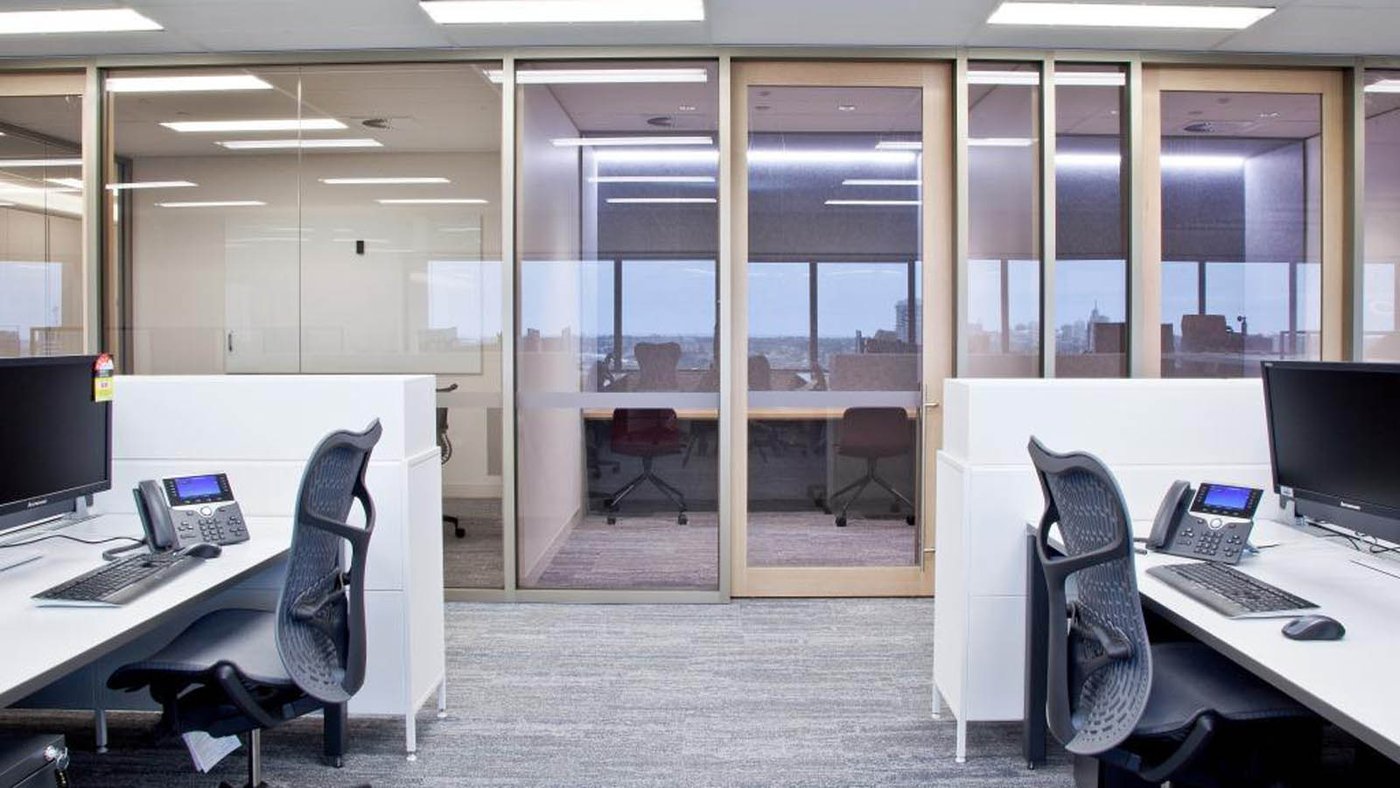
Hot desking is hardly a new concept; originally developed in the 1990s, it has been hotly debated ever since. Even after two decades of gathering evidence, the arguments for and against hot desking are both well-supported and no consensus has been reached. Many believe hot desking has a lot to offer companies and employees.
If you’re redesigning or reorganising your company’s workspace, hot desking is worth considering.
There are various forms of hot desking, but they all promote freedom of movement throughout the office. Employees can work where they like, when they like. At the most extreme end, no one has a fixed work location – each staff member has a locker and every morning they select a desk and set themselves up. At the end of the day, everyone packs themselves up and anything left on the desks is removed by the cleaners as part of a Clean Desk policy.
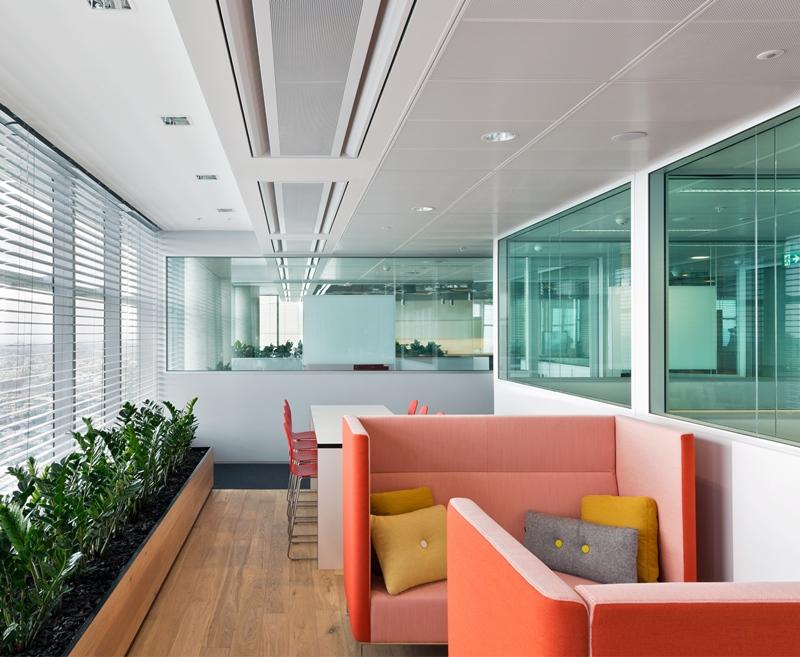
Advocates of hot desking argue that it provides flexibility, encourages collaboration, fosters creativity, and saves space and money. By constantly moving, employees are exposed to fresh faces and ideas, preventing them from getting ‘stuck in a rut’. As people aren’t confined to their desks, they can move about, increasing circulation and their heart rate. The biggest and most often touted benefit is the savings on space and equipment. Rather than having desks sitting empty and computers unused, they are always being utilised.

The utopian idea of the hot desk office, however, can’t always be realised. When not implemented correctly, hot desking can lead to lowered efficiencies, staff disillusion, and increased sick days. Critics argue that the constant movement can:
Hot desking is certainly not suited to everyone, but when used at the right company it offers considerable benefits. It’s ideal for companies with many salespeople or reps on the road, or those with a large cohort of part-time staff. The most important aspect of whether hot desking will work for a company is its culture and whether the staff are accepting of such flexibility in their workspace.
Ultimately, it’s about deciding what’s best for your company and employees. It’s rare that the solution will be completely traditional or hot-desking – more likely a mix of both. This holistic approach creates challenges for designing and outfitting offices – which is where you need help from the experts. At Criterion, we can work closely with architects and interior designers to assist in the best office designs and layouts for both practical and aesthetic considerations.


Design freedom for apartments and luxury homes. There's a quiet compromise that happens on most residential projects, and it usually happens in the door schedule.


Luxury residential design has long been defined by what can be seen; materiality, proportion, light, and finish.


Healthcare fitouts sit at one of the most demanding intersections in the built environment. For architects, getting the specification of doors, glazing, and partitioning right...